Your piece sold last month. You can still film it.
Etsy runs on one-off pieces. You photograph it once, it sells, and it is gone — so the studio day you could never justify for a single item is now impossible anyway. Nitaris works from the listing photo you already took, which means the object does not have to still be in your hands.
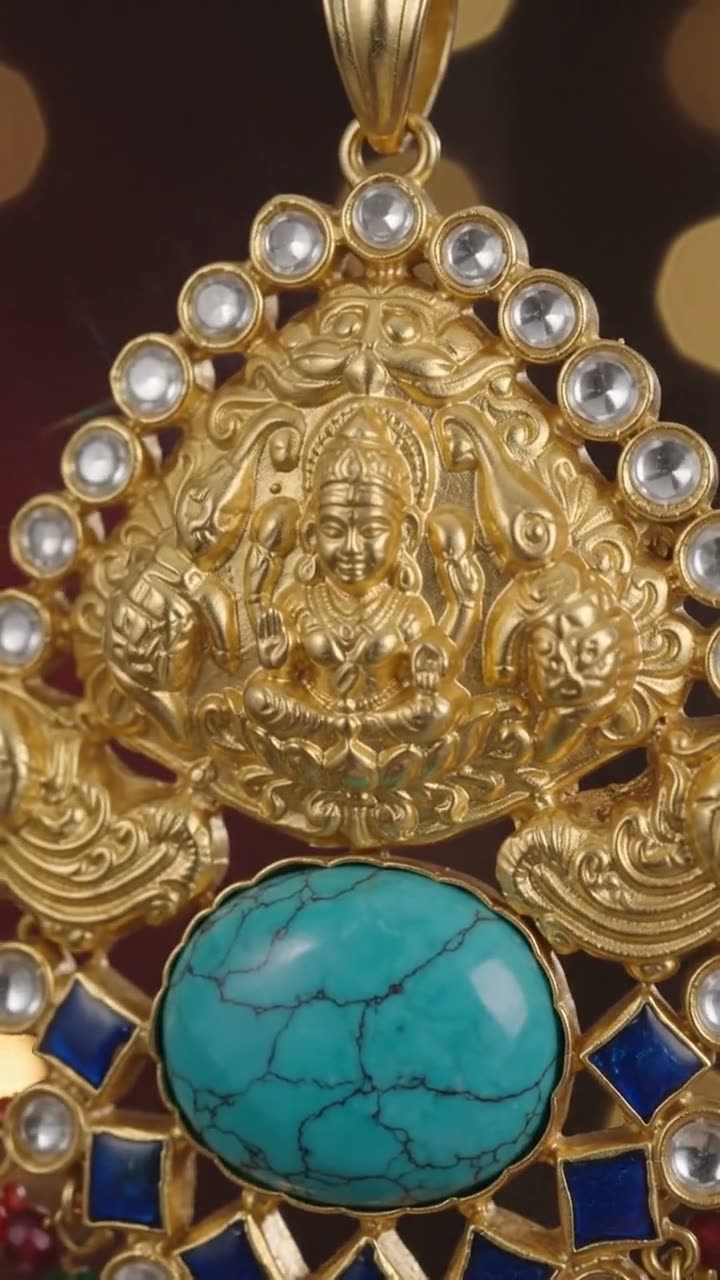
You cannot re-shoot something you have already shipped.
This is the constraint that makes handmade and vintage selling different from catalogue selling, and most photography advice quietly assumes it away.
A shop selling a hundred units of one SKU can shoot it properly once and amortise that cost across every sale. A shop selling a single antique brooch cannot. By the time you know the piece deserved better photographs — because it is getting views and no orders — the honest options are to reshoot it, which costs a day you do not have for an item worth less than the day, or to leave the listing as it is. And if it has sold, there is no third option at all: the object is in somebody else’s jewellery box.
Nitaris changes what the input has to be. A product shoot builds every frame from the photo you upload rather than generating a lookalike, so the photo is the object as far as the process is concerned. A flat, honest listing shot taken on a kitchen table under a window is enough to produce a lit hero frame, a macro of the clasp or the stone setting, and a ten-second film that moves across the piece — months after it shipped, and without it ever coming back.
Which matters commercially beyond the single listing. Sold-out work is portfolio: it is what a returning buyer browses, what a custom-order enquiry is judged against, and what fills the feed between launches. A shop whose archive is thirty flat squares reads differently from one whose archive moves.
- Works from a photo you already have — the piece does not need to be in front of you
- One credit per photo, so a single item costs a single item’s worth of budget
- Free watermarked preview of your own piece before you spend anything
What comes back
A film for the feed, and a photo set for the listing.
Credits buy renders, not jobs. Spend them on whichever your next listing actually needs — they draw on the same balance.
The one that stops the scroll
A ten-second film of your piece, delivered as a clean MP4 with no watermark. Vertical 9:16 for social, widescreen 16:9 for everywhere a wide frame fits.
Composed to sell with the sound off, since every feed these play in starts muted. The sound is your call before you generate: the film’s own, a voiceover, or none, if you would rather add licensed music yourself. How sound works.
The set the listing needs
Three to six stills from the same generated scene, so they match each other the way separately-shot images usually do not — a lit hero, a macro of the detail that justifies the price, and a lifestyle frame.
Square 1:1, portrait 3:4 or vertical 9:16 — you pick the ratio per set, so the stills are framed for the listing grid or the social crop rather than cropped to fit.
It has to be your piece. Not one like it.
A generated lookalike is worse than no photo at all when the buyer receives the real thing — and on a one-of-a-kind item there is no second unit to compare against.
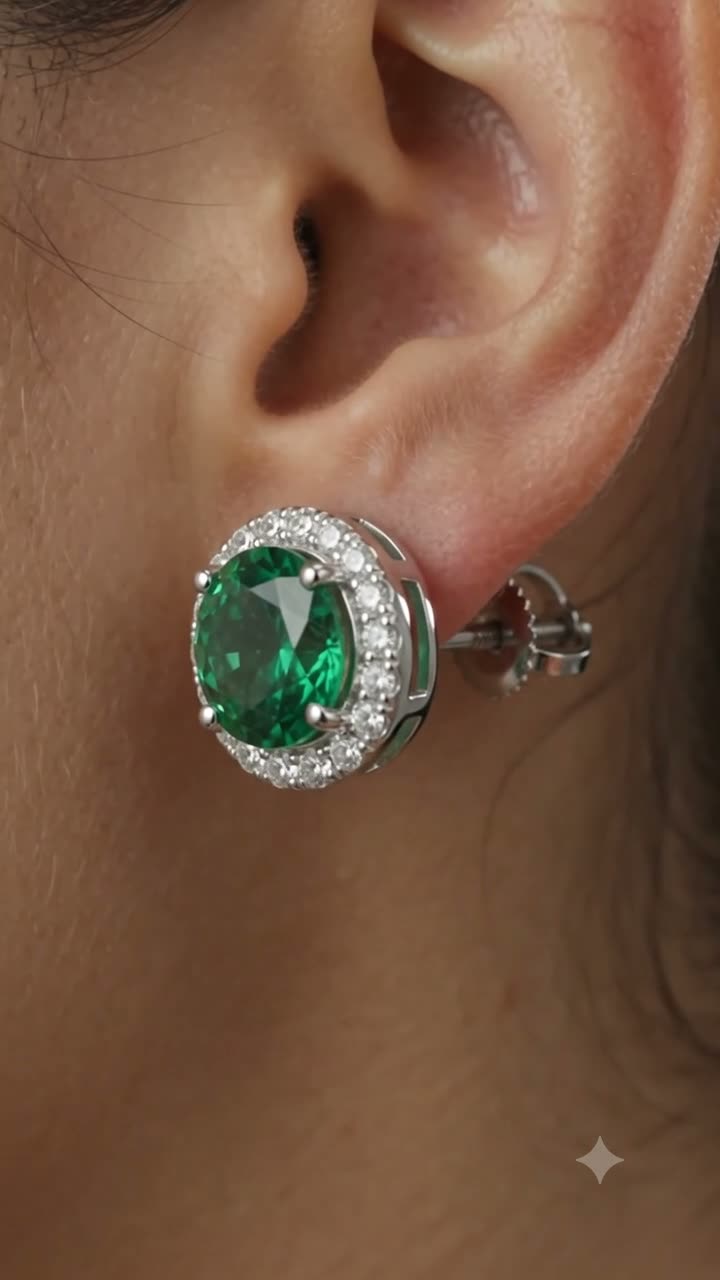
- Every frame of the shoot is conditioned on your uploaded photo — shape, colour, materials and hallmarks stay as they are
- It relights and reframes the piece; it does not redraw it
- If a take drifts, regenerate in one click rather than filing a support ticket
We do not publish Etsy’s rules, on purpose.
Whether and how AI-assisted imagery may be used in a listing, what a listing’s photo and video specifications are, and how any of that interacts with Etsy’s handmade policy are all decisions Etsy makes and revises on its own schedule. Any figure or rule we printed here would be a snapshot that keeps being served long after it stops being true, and you would be the one carrying the consequence of trusting it.
So: read Etsy’s current seller policies before you publish, the same way you would before any other change to a listing. What we can tell you is exactly what Nitaris hands over — the ratios, the shot counts, the runtime, the file format and the rights — and all of that is stated above and on the pricing page.
The questions a maker asks first.
Each one is answered in full on its own page — short answer first, detail underneath.
What kind of photo do I need to upload?
One clear photo on a plain background starts a shoot. With one angle the camera stays in front; photos of the back and a side let it turn onto them.
Will an AI product video actually look like my product?
A Nitaris product shoot builds every frame from your photo to hold shape, colour, materials and logo true — and a drifted render can be reported for credits.
Do I own the AI-generated video and photos commercially?
Every Nitaris video and photo comes with full commercial rights. Paid files carry no watermark and there is no per-asset licence fee beyond the credit.
What kinds of products does this work for?
Best on physical products with shape and surface — jewellery, watches, food and drink, cosmetics, homeware. Here is what gains most, and what gains least.
Other categories
Every material photographs differently.
What makes a category hard to shoot is specific to the material — so the approach is too.
Jewellery
Metal that reflects the whole room and stones that only sparkle under moving light.
Watches
The 10:10 convention, a legible dial, and a crystal that has to catch light without blowing out.
Food & drink
Steam, condensation and gloss — the cues that read as fresh, and go stale within minutes on a real set.
Where you sell
Built for the placement, not just the file.
Same shoot, sized and framed for the surface it has to land on.
Shopify
Runs inside your admin — pick a product, generate, attach to the listing without leaving the page.
WooCommerce
No plugin to install — generate in the browser and upload the files to your product like any other media.
Reels & TikTok
Vertical 9:16, composed for the sound-off feed, with 4:5 and square cuts from the same film.
Still choosing a tool
Honest comparisons, including where they win.
Every one of these names something the other tool does better than Nitaris. If that is the thing you need, go and use it.
Nitaris vs Creatify
an AI ad-creative platform built around UGC-style video with presenters
Nitaris vs Photoroom
a large image-editing suite built around background removal and product stills
Nitaris vs soona
a managed content studio — you ship real products and receive photography and video shot by people
Nitaris vs Pebblely
an AI product-photography tool focused on placing products into generated backgrounds
Nitaris vs Runway
a general-purpose generative video platform — a creative suite for making video, images and audio of anything
Nitaris vs HeyGen
an AI video platform built around lifelike avatars that deliver a script, with translation and lip-sync across languages
Nitaris vs Arcads
an AI ad platform built around a large library of AI actors delivering ad scripts for performance marketing
One piece. One photo. That is the whole brief.
Pick the listing you most want to sell — or the one that sold and deserved better — and see it filmed. Free, watermarked, and of your own piece.
Last updated