A flat photo does not survive a vertical feed. Ten seconds of motion does.
Upload one product photo and get back a 9:16 film built for the placement — full-bleed vertical, ten seconds by default, and composed to sell with the sound off, because the feed it lands in starts muted whether you planned for that or not.
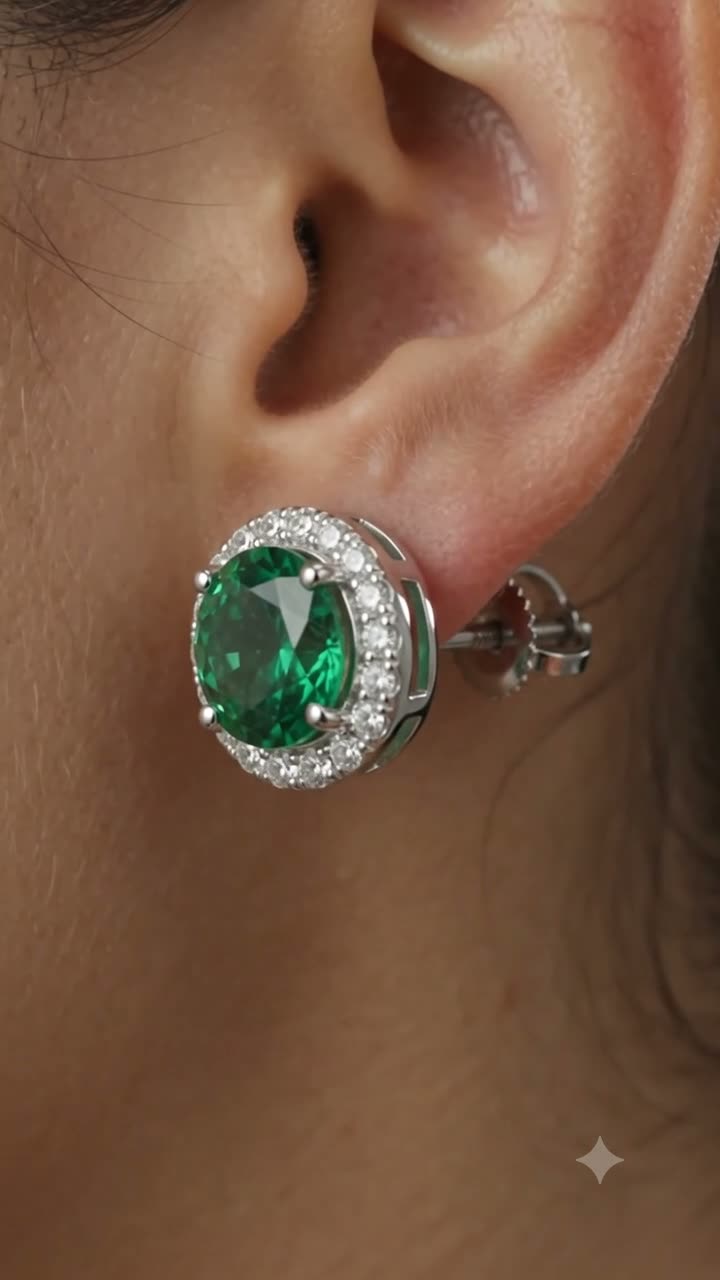
Shot vertical, not cropped into vertical.
The difference is visible in the first frame, and it is the most common way a product clip announces that it was made for somewhere else.
A widescreen film cropped to 9:16 has to throw away the sides of the frame, which is where the camera move usually lives. What survives is a tight, static-feeling column with the product either too large or drifting out of shot, plus letterbox bars if whoever exported it flinched. Nitaris composes the vertical frame as its own shot — the move, the set and the product placement are built for the tall aspect rather than rescued into it.
Widescreen 16:9 is composed the same way — as its own shot, for its own frame — when the product page or a paid placement is where the film has to run. You pick the ratio when you set up the shoot, so what comes back is built for the placement rather than cropped into it. The stills work the same way: square 1:1, portrait 3:4 or vertical 9:16, chosen per set.
- Vertical 9:16 or widescreen 16:9 — each composed for its own frame rather than cropped from the other
- Ten seconds — long enough to show the product move, short enough to loop
- Delivered as a clean MP4 with no watermark on paid files
- A 4:5 and a square 1:1 cut of the same vertical film, for feed placements, at no extra credits
Composed for the muted feed. Sound for whoever taps.
Every vertical feed autoplays muted until a viewer taps, so the film has to sell with the sound off first. What it carries when someone does tap is a choice you make before you generate.
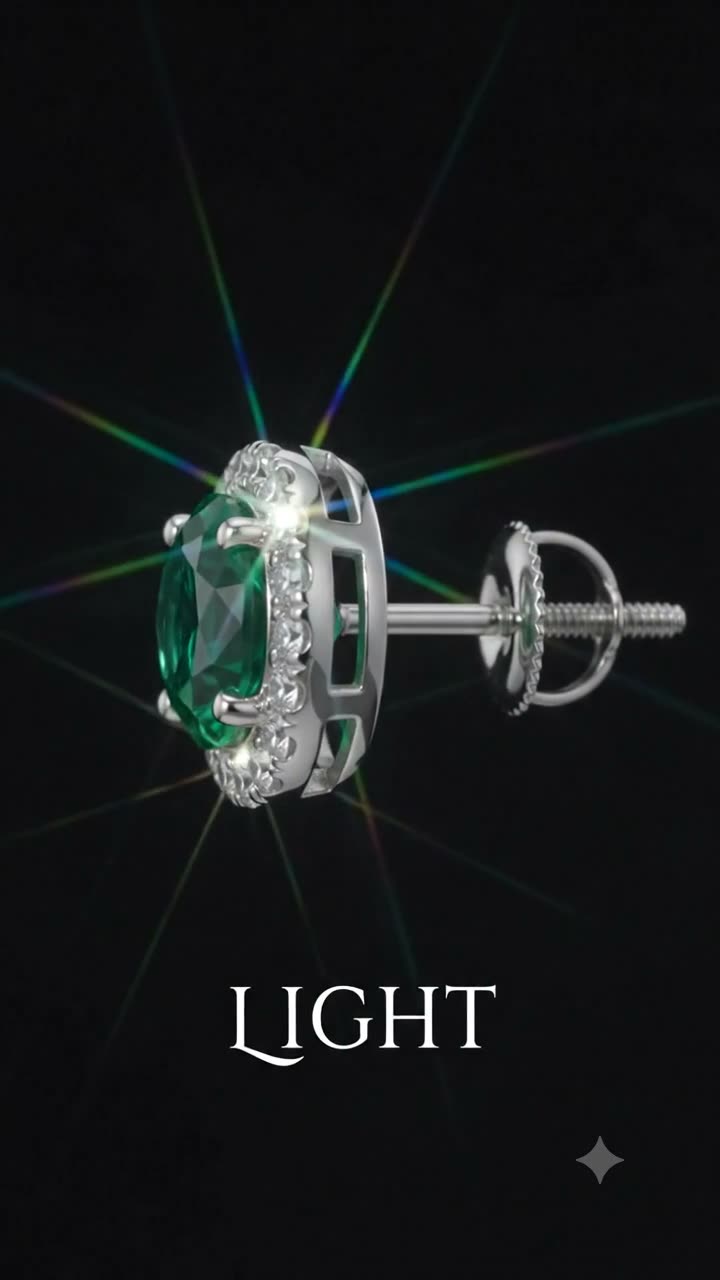
- Natural keeps the ambience and foley the model rendered with the shot — the default
- Silent hands you an MP4 with no audio track, for when you will add licensed music in the app you post from
- Voiceover lays a spoken line over the film’s own sound; leave the script blank and Nitaris writes one
We do not publish Meta’s or TikTok’s rules.
How each platform expects AI-assisted content to be labelled, what its advertising policies allow, what it currently accepts technically, and what any of that means for a shop account are decisions Meta and TikTok make and revise on their own schedule. Anything we printed here would be a snapshot that keeps being served long after it stops being true — and on this particular subject the cost of trusting a stale answer lands on your ad account, not ours.
Read each platform’s current policy before you run a paid placement. What we can tell you is exactly what you are handed: an MP4 in the ratio you picked, 9:16 or 16:9, ten seconds unless you chose longer and carrying the sound you chose, a set of stills, and full commercial rights to all of it.
The questions that come up first.
Each one is answered in full on its own page — short answer first, detail underneath.
Can I use an AI product video in Meta or TikTok ads?
Nitaris delivers clean 9:16 or 16:9 MP4s with full commercial rights. Ad-platform rules on AI creative are set by the platform — check their current policy.
Does the product video come with music or sound?
Films keep the sound the video model renders by default. Pick Silent for an MP4 with no audio track, or add a voiceover Nitaris can write for you.
What aspect ratios and sizes do I get?
Video is filmed 9:16 or 16:9, with 1:1 and 4:5 cuts of the same film. Photo sets render 1:1, 3:4 or 9:16, in batches of three, four or six shots.
Can I control the style and mood of the video?
Pick a mood Nitaris proposes for your product — it drives lighting, camera, set and grade. Every format also has styles, 59 needing nobody on camera.
Other categories
Every material photographs differently.
What makes a category hard to shoot is specific to the material — so the approach is too.
Jewellery
Metal that reflects the whole room and stones that only sparkle under moving light.
Watches
The 10:10 convention, a legible dial, and a crystal that has to catch light without blowing out.
Food & drink
Steam, condensation and gloss — the cues that read as fresh, and go stale within minutes on a real set.
Where you sell
Built for the placement, not just the file.
Same shoot, sized and framed for the surface it has to land on.
Shopify
Runs inside your admin — pick a product, generate, attach to the listing without leaving the page.
Etsy
One-off pieces you have already shipped — the listing photo is enough to film them.
WooCommerce
No plugin to install — generate in the browser and upload the files to your product like any other media.
Still choosing a tool
Honest comparisons, including where they win.
Every one of these names something the other tool does better than Nitaris. If that is the thing you need, go and use it.
Nitaris vs Creatify
an AI ad-creative platform built around UGC-style video with presenters
Nitaris vs Photoroom
a large image-editing suite built around background removal and product stills
Nitaris vs soona
a managed content studio — you ship real products and receive photography and video shot by people
Nitaris vs Pebblely
an AI product-photography tool focused on placing products into generated backgrounds
Nitaris vs Runway
a general-purpose generative video platform — a creative suite for making video, images and audio of anything
Nitaris vs HeyGen
an AI video platform built around lifelike avatars that deliver a script, with translation and lip-sync across languages
Nitaris vs Arcads
an AI ad platform built around a large library of AI actors delivering ad scripts for performance marketing
The feed is vertical and it is muted. Shoot for it.
One photo in, a vertical film and a full set of marketing photos out. Your first one is a free watermarked preview of your own product.
Last updated